Crash-Course Into Wristwatches 101 – How Watches Work
I wear a fitness tracker on my right wrist. I wear a mechanical watch on my left.
That combination is not accidental, and it’s not a contradiction. The tracker exists for data — steps, heart rate, sleep, training load. The watch exists for everything else: presence, intent, continuity, and yes, status. Smartwatches didn’t remove wristwatches from relevance. They clarified why wristwatches matter in the first place.
We already live surrounded by screens. We already outsource timekeeping to phones, dashboards, laptops, and wall clocks. A wristwatch is not about access to time. It’s about how time is carried, displayed, and respected.
This article is not about buying advice or brand recommendations. It’s about understanding what wristwatches actually are — mechanically, visually, and culturally — so that when you wear one, you know why it works the way it does.
Why Wristwatches Still Matter
Watches are still status symbols. That hasn’t changed — it’s just become more selective.
A smartwatch signals utility. A wristwatch signals intent.
Much like eyewear, a wristwatch sits in a strange space between tool and identity. Glasses correct vision, but they also frame a face. Watches tell time, but they also frame how someone presents themselves. You notice watches for the same reason you notice shoes or posture: they communicate decisions.
Smartwatches didn’t replace that. They just removed ambiguity.
If someone wears a mechanical watch today, they’re doing it deliberately. That decision carries weight, whether the watch costs £50 or £5,000. The meaning doesn’t come from price alone — it comes from choosing something that does less, but does it with purpose.
That’s the lens I use when evaluating watches.
What a Wristwatch Actually Is
At its core, a wristwatch is a self-contained timekeeping system designed to operate continuously, independently, and reliably on the human body.
That sounds simple. It isn’t.
A modern wristwatch must:
- Generate or store energy
- Regulate that energy into consistent intervals
- Translate those intervals into visible motion
- Protect the system from shock, moisture, and wear
- Remain legible in varied lighting and motion
All of that happens in a case smaller than a matchbox.
The reason wristwatches are fascinating isn’t because they’re nostalgic — it’s because they solve a hard engineering problem repeatedly, quietly, and often invisibly.

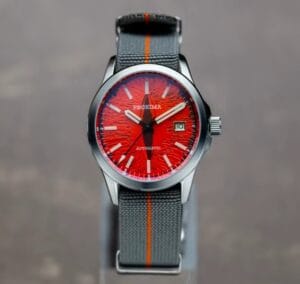
How Watches Keep Time
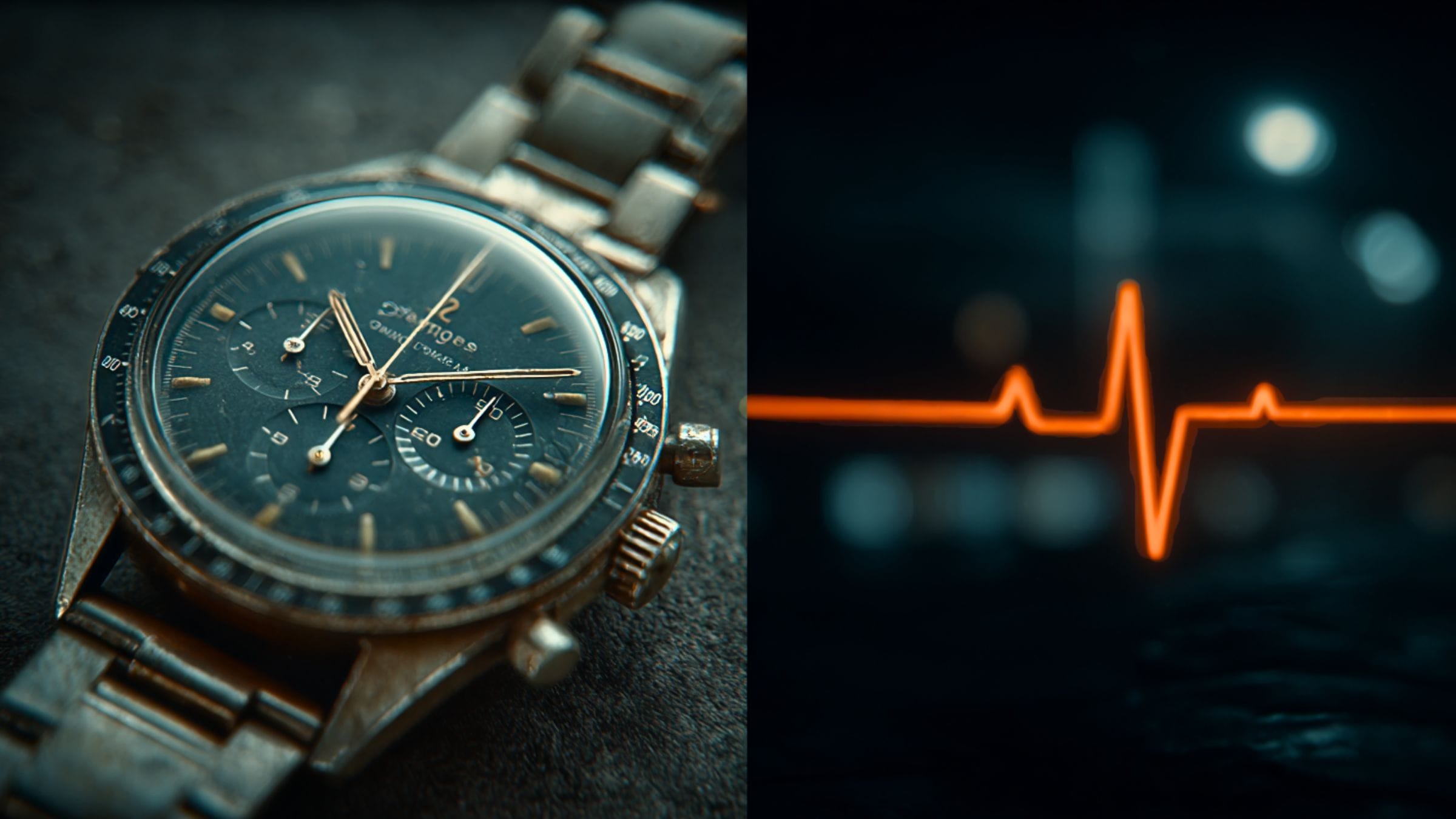
The heart of any watch is the movement. Everything else exists to support it.
Quartz Movements
Quartz watches use a battery to send electricity through a quartz crystal. That crystal vibrates at a predictable frequency, which the movement translates into time.
What this means in practice:
- Quartz is extremely accurate
- It’s low maintenance
- It’s resistant to shock
- It’s ideal for daily wear
This is why quartz dominates the watch world. It works. It’s efficient. And when done well, it’s invisible in use — which is a compliment.
Hybrid quartz movements, particularly those with mechanical-style displays or sweeping seconds, bridge the gap nicely. I own several because they offer reliability without completely abandoning the tactile experience of a traditional watch.
Mechanical Movements
Mechanical watches store energy in a mainspring and release it gradually through a gear train regulated by an escapement.
They are less accurate. They are more fragile. They require more care.
And yet, they persist — because they feel alive.
Mechanical watches respond to wear. They interact with motion. They gain and lose time not because they’re broken, but because they’re physical systems operating in the real world.
There’s value in that, even if it’s not rational.
Manual vs Automatic
Manual watches require winding by hand. Automatic watches wind themselves via a rotor that moves as you wear them.
In practice:
- Manual watches encourage engagement
- Automatic watches prioritise convenience
Neither is “better”. They reflect different philosophies.
Why Accuracy Isn’t the Point
Accuracy is easy. Consistency is harder.
Two wristwatches can both be accurate out of the box. Over months and years, what matters is:
- How stable the regulation is
- How resistant the movement is to shock
- How predictable the deviation becomes
A watch that gains five seconds a day, every day, is often more useful than one that fluctuates unpredictably.
Understanding this stops you chasing specs and starts you evaluating behaviour.
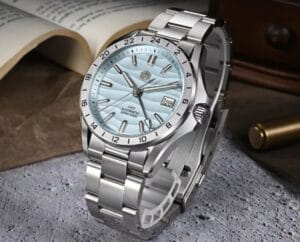
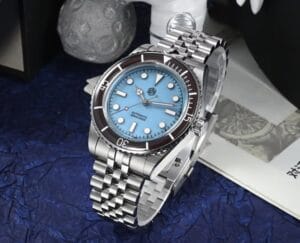
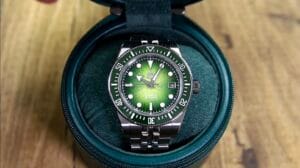
Cases: Size, Shape, and Structure
Case design is where most people misjudge watches — because they look at diameter alone.
That’s a mistake.
What Actually Affects Wearability
- Lug-to-lug length determines how the watch sits on the wrist
- Thickness affects balance and comfort
- Case shape changes how mass is distributed
- Bezel design influences perceived size
A 40mm watch can wear larger than a 42mm watch if the lugs are long and flat. A thick watch can feel top-heavy even if the diameter is modest.
This is why reading specs without understanding geometry leads to disappointment.
Case Construction
A watch case isn’t just a shell. It’s a structural component.
- The mid-case provides rigidity
- The caseback seals the movement
- The crown tube introduces a controlled opening
Every cut is a compromise between access and protection.
Snap-on casebacks are slimmer but less secure. Screw-down casebacks are stronger but thicker. Neither is inherently wrong — they just reflect different priorities.
Dials, Hands, and Legibility
Legibility is not about brightness or decoration. It’s about clarity under motion.
A good dial works when:
- You glance at it mid-step
- You read it at an angle
- You check it in poor light
Applied markers add depth but must be aligned well. Printed markers can be excellent if contrast is strong. Rehauts and chapter rings help with precision but add complexity.
Hands matter more than most people realise. Length, width, and contrast determine usability far more than shape alone.
This is why some watches photograph beautifully but frustrate in use.
Crystals: The Part Nobody Talks About
Crystals are structural components pretending to be invisible.
A thin crystal flexes under pressure. Flex compromises gasket seals. Domed crystals distribute force better but introduce distortion. Flat crystals prioritise clarity but require thickness to maintain strength.
Sapphire resists scratches. Mineral glass absorbs impact better. There are trade-offs everywhere.
If a watch claims high water resistance while remaining unusually thin, I immediately look at the crystal. Physics doesn’t negotiate.
Water Resistance: Systems, Not Numbers
Water resistance is not a rating. It’s a system.
Static pressure tests don’t reflect real use. Arm movement creates pressure spikes. Temperature changes affect gasket elasticity. Crowns introduce failure points.
This is why I care less about the number on the dial and more about:
- Crown design
- Caseback construction
- Crystal thickness
- Gasket redundancy
A well-executed 100m watch can outperform a poorly executed 200m watch in daily life.
Numbers simplify marketing. In practice, these details tend to matter more than the headline numbers and hence I’ve written the piece: Why Water Resistance Numbers Mislead Buyers.


Watch Types and Design Intent
Watch categories describe intent, not rules.
Everyday Watches
These prioritise balance. They’re not optimised for extremes — they’re optimised for consistency.
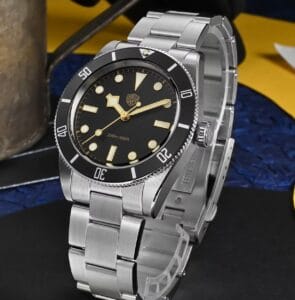
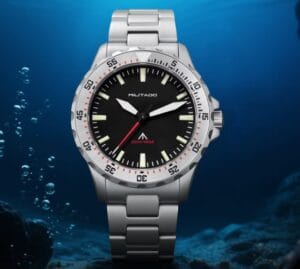
Dive Watches
Overbuilt, redundant, and robust. Designed for sustained exposure, not elegance. Their popularity today has more to do with confidence than diving. You can see a practical example of dive watches here.
Field Watches
Legibility-first tools. Usually compact, usually restrained, usually honest. This design choice becomes more obvious when looking at a real-world models.
Chronographs and Hybrids
Complexity layered on top of timekeeping. Useful when well-designed. Decorative when not.
Understanding intent helps you judge whether a design succeeds on its own terms. Some watches lean into this philosophy more than others.
Bracelets, Straps, and Fit
Fit changes perception more than specs.
A mediocre watch on a well-fitting strap often feels better than a great watch on a poorly executed bracelet. End links matter. Taper matters. Weight distribution matters.
Bracelets amplify flaws. Straps soften them.
This is why I evaluate watches on wrist, not on paper.
Marketing vs Engineering
Marketing talks about features. Engineering talks about trade-offs.
If a spec sounds too good without consequence, something is being omitted. Thickness, weight, maintenance, longevity — these always exist, even when not mentioned.
Learning to read between the lines doesn’t make you cynical. It makes you informed.
How I Use This Knowledge
I don’t buy watches to collect numbers. I buy them to solve use cases.
Some watches exist to be worn daily. Some exist to be enjoyed occasionally. Some exist simply because they’re interesting.
Understanding how watches work doesn’t remove romance. It deepens it.
Final Thoughts
Wristwatches are not obsolete. They are optional — and that’s precisely why they matter.
When you wear a watch today, you’re making a conscious choice about how you interact with time, objects, and identity. Understanding the mechanics behind that choice doesn’t reduce its meaning. It reinforces it.
You don’t need to become a collector. You don’t need to chase complexity. You just need to understand what you’re wearing — and why.
That’s the point of wristwatches. And that’s the point of this guide.